The operating system of the company
The operating system
a company is run from.
Twenty-two modules on one base: decide, demand, deliver, money, improve and govern. Your CRM and your ERP go on keeping the records. This is where the decisions are made.
Modules on one base
Domains, one record
Focus at a time, with its reason
Numbers without a source
Where the day starts
It tells you what to do next, and why that one.
Most software shows you everything and leaves the ordering to you. Vaulte One opens on a single thing with the reason written on it — revenue impact, what it unblocks, how long it takes. Everything else is ranked underneath.
The control room
Everything converges in one place.
A reply, an approval, a quote, a delivery and the cash behind it stop being five systems. They become one record, visible and connected, so the decision does not depend on who happens to remember.
One base
It starts with management, and reaches the whole company.
The core is the decision layer — today's focus, approvals, the record of what was decided. Everything else extends from it on the same base, so adding a department does not add a system.
One flow
Signal to reinvestment, without leaving the system.
- 01Signal
- 02Opportunity
- 03Outreach
- 04Meeting
- 05Scope
- 06Delivery
- 07Invoice
- 08Measure
- 09Reinvest
The last step funds the next one. That is the whole argument of the audit engine, and it is why the chain ends where it starts.
The system
Twenty-two modules, six domains.
Each one is a working screen, not a roadmap item. Where something is not built, the system says so rather than showing an empty frame.
Decide
5Today, approvals, decisions, command, plan.
Demand
7Opportunities, clients, outreach, mail, inbox, websites, partners.
Deliver
2Delivery and meetings — what was promised against what is scheduled.
Money
2Revenue and finance: settled cash from the ledger, and what is ready to bill.
Improve
3Audits, the audit engine, and the intelligence that explains a change.
Govern
3Regions, compliance gates and operational controls, enforced in code.
Industries
Where this work tends to pay first.
Not a list of everyone we will talk to. These are the operations whose documents, tolerances and paperwork make the first audit worth running — and the process is more alike across them than the borders suggest.
Automotive & mobility
RFQ packages that arrive as drawings and spreadsheets, PPAP submissions, and supplier scorecards at tier 1 and tier 2.
Metalworking & machining
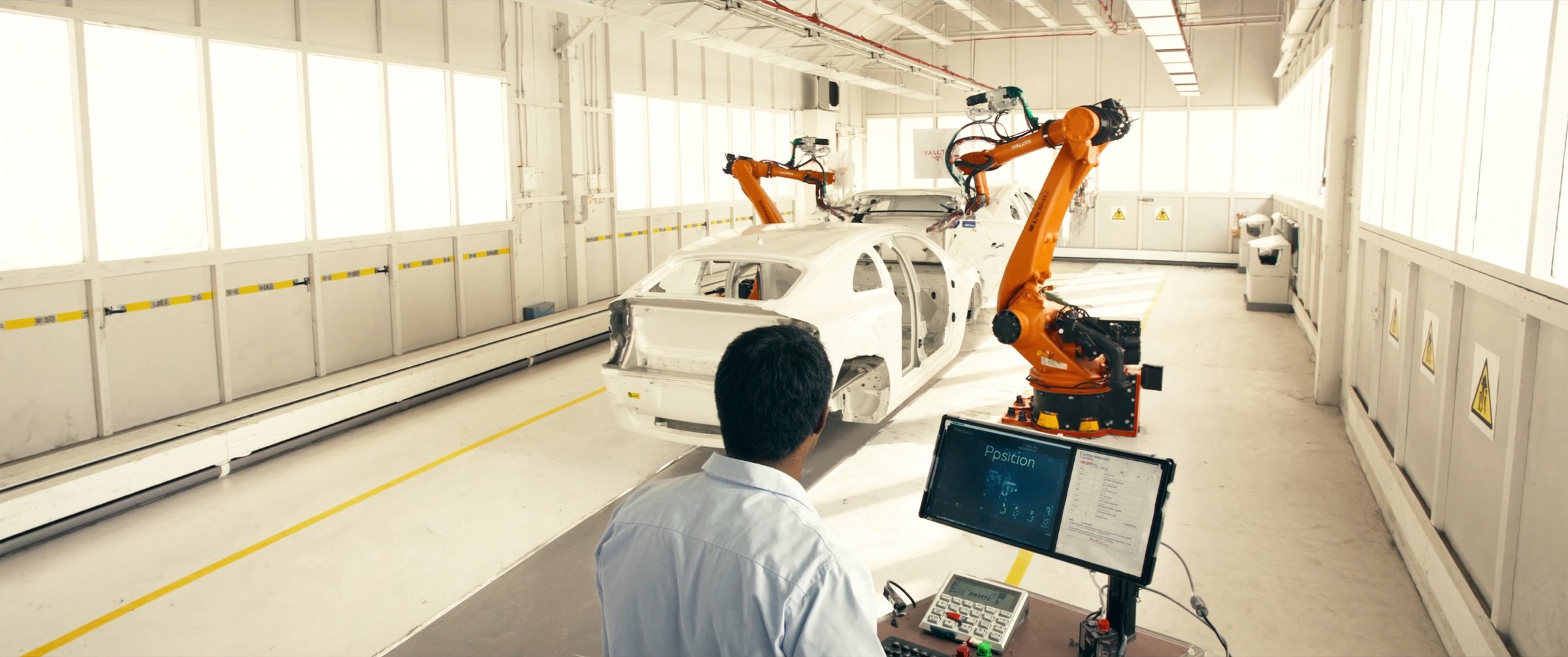
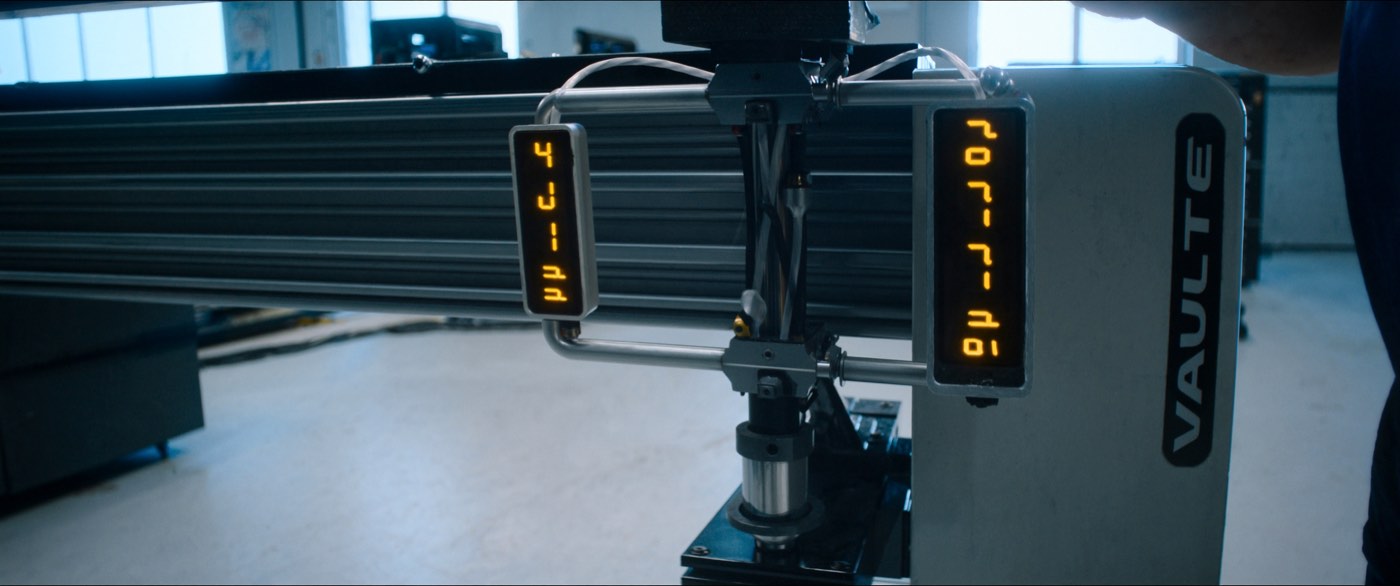
Quoting from drawings, and the hours that disappear between runs finding a position by trial instead of driving to a number.
Plastics, rubber & composites
Tool changeover, cycle-time variance between shifts, and inspection that still happens by eye.
Electronics & electrical
BOM-heavy quoting, revision mismatches between the customer and the line, and traceability down to the component.
Aerospace
Certification and quality documentation, where a missing revision stops work rather than generating a correction.
Medical devices
Batch records and design history, and the review time that documentation-heavy regulation adds to every release.
Food & beverage
End of line, labelling and dispatch evidence, and the paperwork a retail or export customer expects to arrive with the pallet.
Logistics & distribution
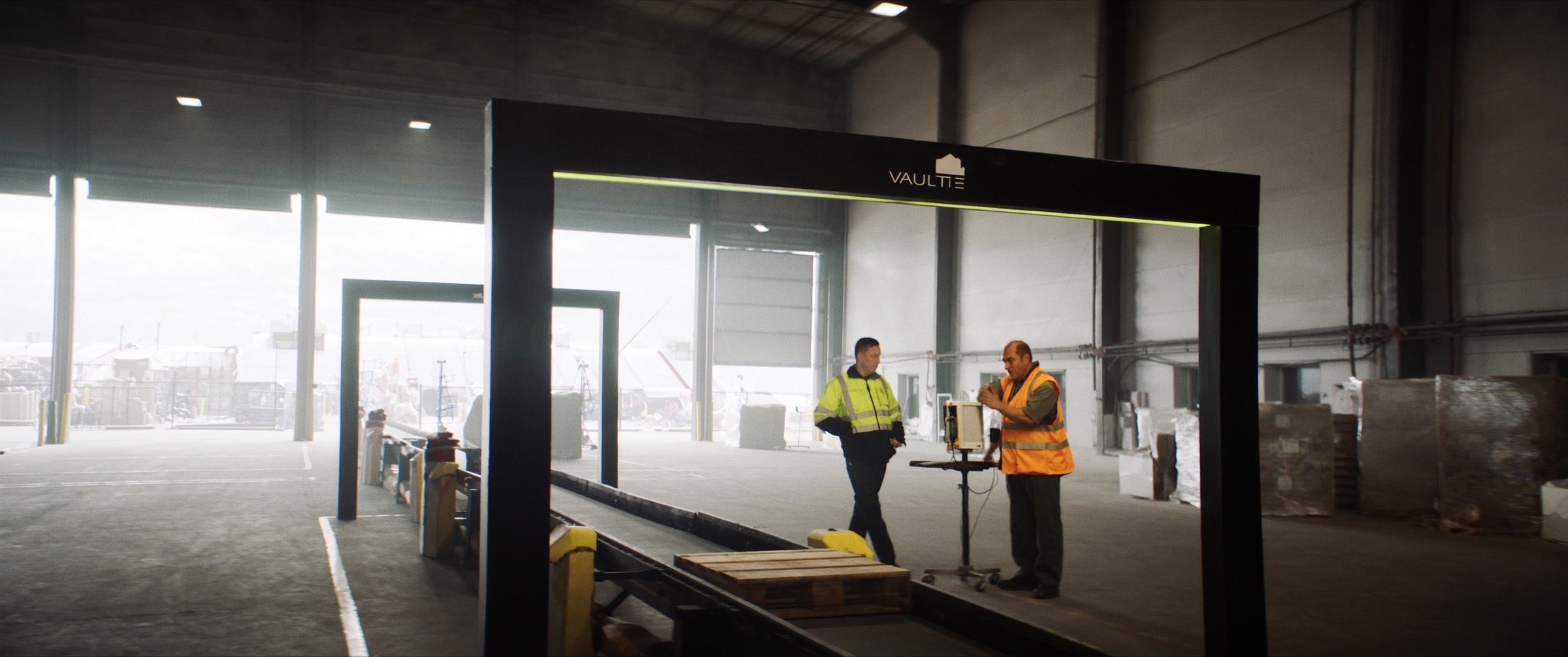
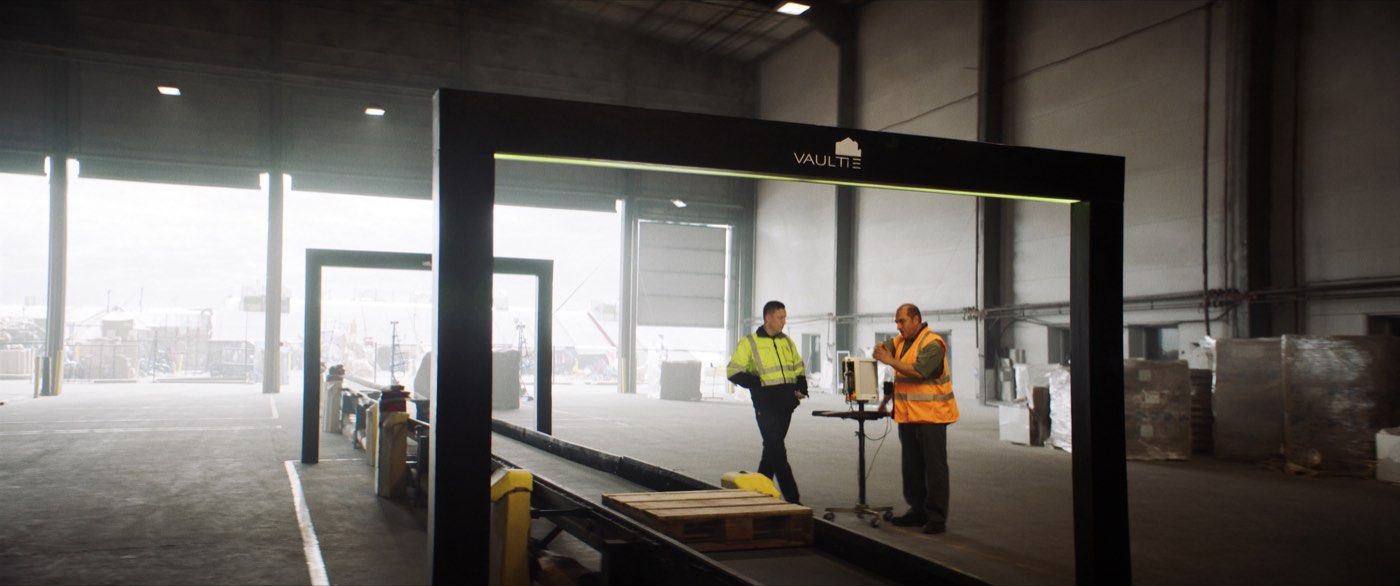
Receiving and identification, pick and pack, and the dispute that gets answered with footage instead of memory.

Audit engine
Where should you automate first — and what does it pay back?
The engine that answers it lives inside the system. It maps the operation as it runs, puts a number on every place work is lost, and carries the origin of each figure: measured on your floor, stated by your team, or an assumption marked as one.
- Every number with its basis attached — measured, stated or assumed
- Root cause before opportunity, so you fix the thing and not the symptom
- Payback as a band, per intervention type, never one confident figure
- The right to conclude: do not automate this one
- A capital staircase that keeps measured savings apart from expected ones
Vik
An operator, not a chat box.
Vik drafts the reply, refreshes the queue, dedupes the campaign and summarises the thread — and asks before anything leaves the building. Nothing sends itself. What it did overnight is listed the next morning, with what it touched.
How you get it
Vaulte builds the system. Vaulte One is where you run it.
Vaulte is a software development and integration consultancy. We map one real process, build against your own formats, rules and ERP, and connect it to the systems you already run. What we build is operated here — by your team, with the access and controls your IT requires.
Show us one process
A real one, with its real documents and its real exceptions. No discovery phase to schedule.
See it running
A company-specific demo on your own workflow, usually within hours rather than weeks.
Integrate
ERP, CRM, storage, identity — connected properly, with the controls your IT signs off.
Run it here
Your team operates it, and what it returned is measured against what the process cost before.
Bring us one process. We'll show you what it becomes.
No public pricing and no packaged tiers — scope follows the operation. The fastest way to evaluate us is to put one real workflow in front of us.
Or write to us directly hello@vaultemedia.com